For Families
What to Expect at Your First Supervised Visit in Las Vegas

Your first supervised visit is usually calmer than you expect. A trained person is in the room, there are clear rules, and the goal is simple: help your child feel safe and spend the time together well. Knowing what will happen can make the hour much easier for you and for your child.
I’m Monique Harris-Whitt, a Licensed Clinical Social Worker and founder of The Therapeutic Solution in Las Vegas. I work with families across Clark County, and parents often tell me the unknown is the hardest part of a first visit. Here is what usually happens.
Before the visit: intake and rules
Most programs start with an intake. You will usually be asked about your family, the court order and any safety concerns, and you will be told the program’s rules. Typical areas include:
- Arrival and departure times, and what happens if you are late
- What you may bring, including gifts, food and phones
- What topics are off limits during the visit
- How the visit ends, and what happens if a rule is broken
Ask for the rules in writing and read them before the day. Knowing exactly what is expected removes a lot of anxiety.
It also helps to think about what your child has been told. If you are able to, work with the other parent or the provider on a simple, honest explanation. My guide on how to prepare your child for supervised visitation goes through this in detail.
What happens during the visit
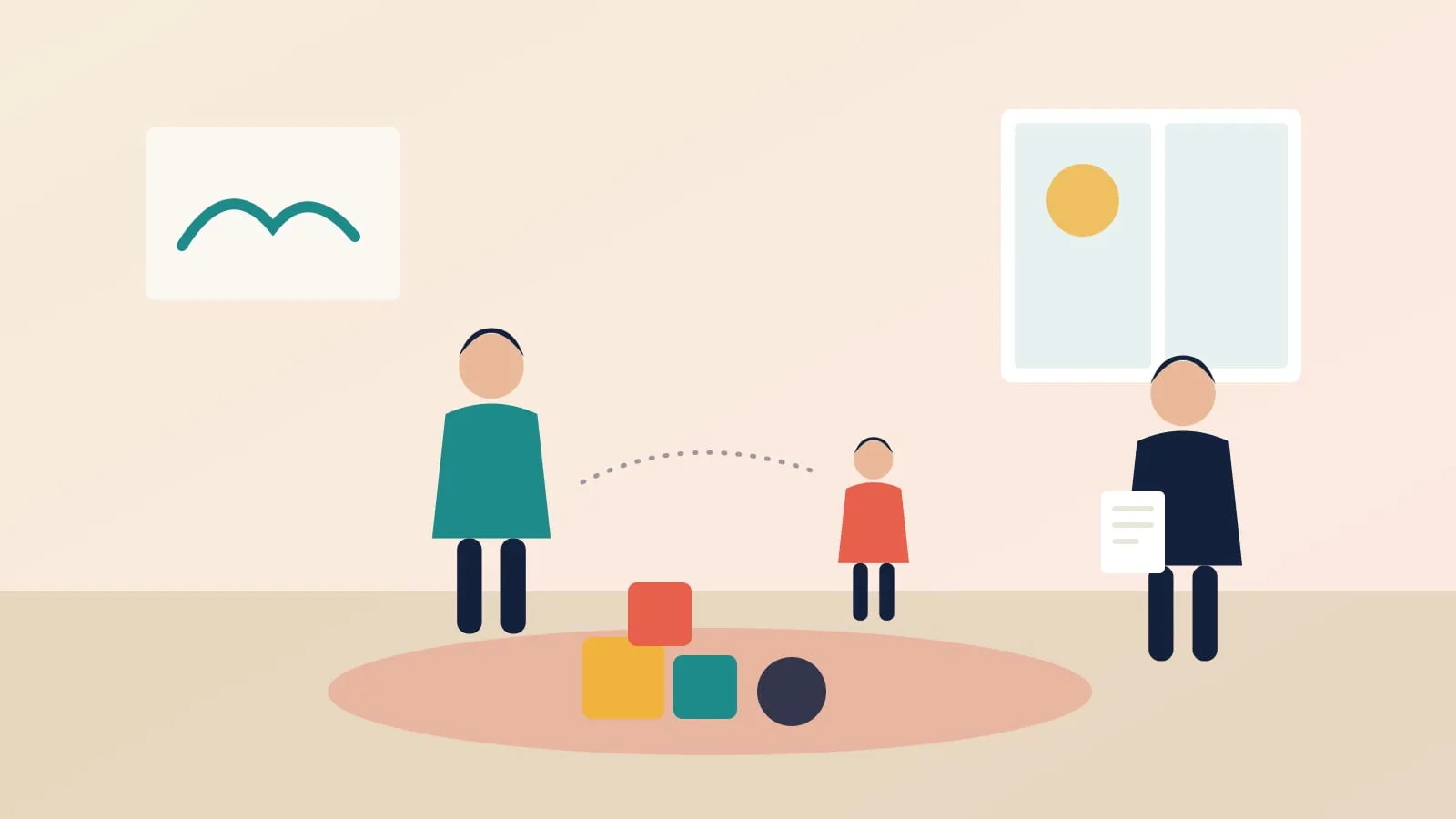
A trained monitor or clinician is present throughout. Visits are typically held in a room set up for families, sometimes with toys, books and games.
Some simple approaches help the time go well:
- Follow your child’s lead. Let them choose the activity at first. Sit near them, but do not crowd them.
- Keep it light and simple. Play, read, draw, talk about what they like.
- Stay with the present. This is not the time to discuss the case, the other parent or the reasons for the order.
- Let a slow start be a slow start. Some children need time to warm up. That is normal.
What the monitor writes down
The monitor records what they see, usually in a factual note. Typically that includes how you and your child interacted, whether the rules were followed, and anything notable about how the visit went.
This can feel uncomfortable, but it is not a test you can fail with one hard moment. Providers who do this well are looking for patterns over time: steady attendance, calm behavior and attention to the child. Ordinary, consistent, child-focused behavior is what you are aiming for.
Common first-visit mistakes to avoid
- Asking the child about the other parent or the case. Even gentle questions can put a child in the middle.
- Making promises you cannot keep, such as “I’ll see you soon” when you do not know the schedule.
- Bringing up big emotions. Your feelings are real, but a first visit is not the place to process them with your child.
- Breaking small rules. A snack or phone call that seems harmless can still be a violation.
- Expecting a perfect visit. First visits are often awkward, and that is all right.
A simple checklist for the day
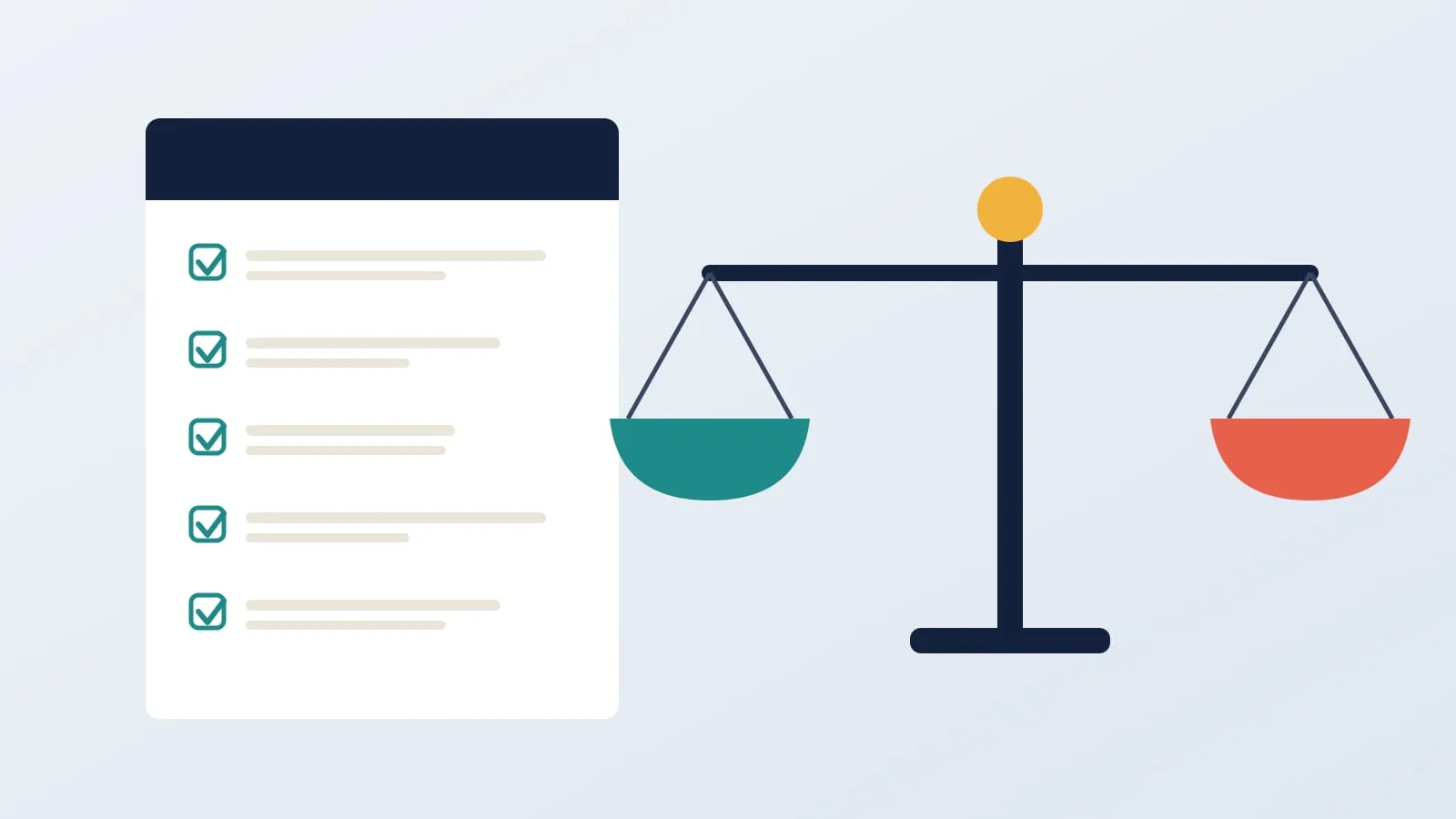
It can help to have a short list ready. Many parents find these useful:
- Confirm the time, address and parking the day before
- Arrive a little early, so you are not rushed
- Bring your identification if the program asks for it
- Bring only items that have been approved
- Bring one or two simple activities, such as a book, a small game or drawing supplies, if allowed
- Silence your phone and put it away, unless the program says otherwise
- Eat and rest beforehand, so you are steady
- Decide in advance how you will say hello and goodbye
Having a plan for the first few minutes, in particular, gives you something to hold on to if you feel nervous.
Helping your child feel safe
Children take their cues from the adults around them. A few things help, whatever your child’s age:
- Greet them warmly and simply. “Hi, I’m happy to see you” is enough.
- Let them set the pace. A child may want to look around the room before engaging, and that is fine.
- Notice what they notice. If they point to a toy, talk about the toy.
- Avoid big displays. Tears, anger or long, intense hugs can overwhelm a child. Warmth can be quiet.
- Keep goodbyes short and positive. “I had fun with you today. I’ll see you next time” is plenty, if you know there will be a next time.
If your child is very young, short and predictable routines, like starting each visit the same way, can be reassuring.
When it does not go as planned
Some first visits are hard. A child may cry, refuse to enter or ask to leave. A parent may feel hurt, angry or ashamed. This does not mean the visit has failed, or that you have.
If your child is distressed, stay calm and let the staff help. Do not argue with your child or ask them to explain their feelings. If you are upset, take a breath, and if you need a moment, ask the staff. A calm response in a hard moment is often noticed as much as a smooth visit.
Afterward, ask the provider what they observed, what went well and what might help next time. Providers appreciate parents who ask for feedback and use it.
Looking after yourself
A first supervised visit can bring up strong feelings: nervousness, sadness, anger, guilt or relief. All of these are normal. A few things help:
- Plan something calming afterward, such as a walk or a call with someone supportive.
- Avoid venting in front of your child or in the waiting area.
- Talk with your attorney about concerns related to your case, not with the provider or your child.
- Consider your own support, such as counseling, if it would help.
Taking care of yourself helps you show up steady for your child next time.
After the visit: next steps
When the visit ends, say goodbye warmly and simply. Try not to ask your child how they felt in front of them; they may need time. If you have questions about how it went, ask the provider.
Over time, families that attend consistently and follow the plan often have more options. In some cases, they step down to less restrictive arrangements, or move into reunification therapy when the family is ready.
If you are in Clark County and have questions about supervised visitation, you can contact The Therapeutic Solution at 3909 S Maryland Pkwy, Suite 405, Las Vegas, NV 89119, or call (702) 485-1313.
This article is for educational purposes and is not therapy or legal advice. Talk with your attorney about your specific case. If a child is in immediate danger, call 911.
Frequently asked questions
How long is a supervised visit?
It depends on the court order and the provider. Visits are commonly an hour or two, but your order sets the schedule. Ask the provider to confirm the length, how often visits occur and what happens if you arrive late.
Can I bring gifts or food to a supervised visit?
Many programs have rules about this, and some limit or review what you bring. Ask before the visit, and get the rule in writing. Bringing a simple activity, like a book or a game, is often welcome.
What happens if my child does not want to come in?
It is common for a child to hesitate, especially at a first visit. Stay calm, do not pressure or bargain, and let the staff help. The provider will know how to support a gradual start.